
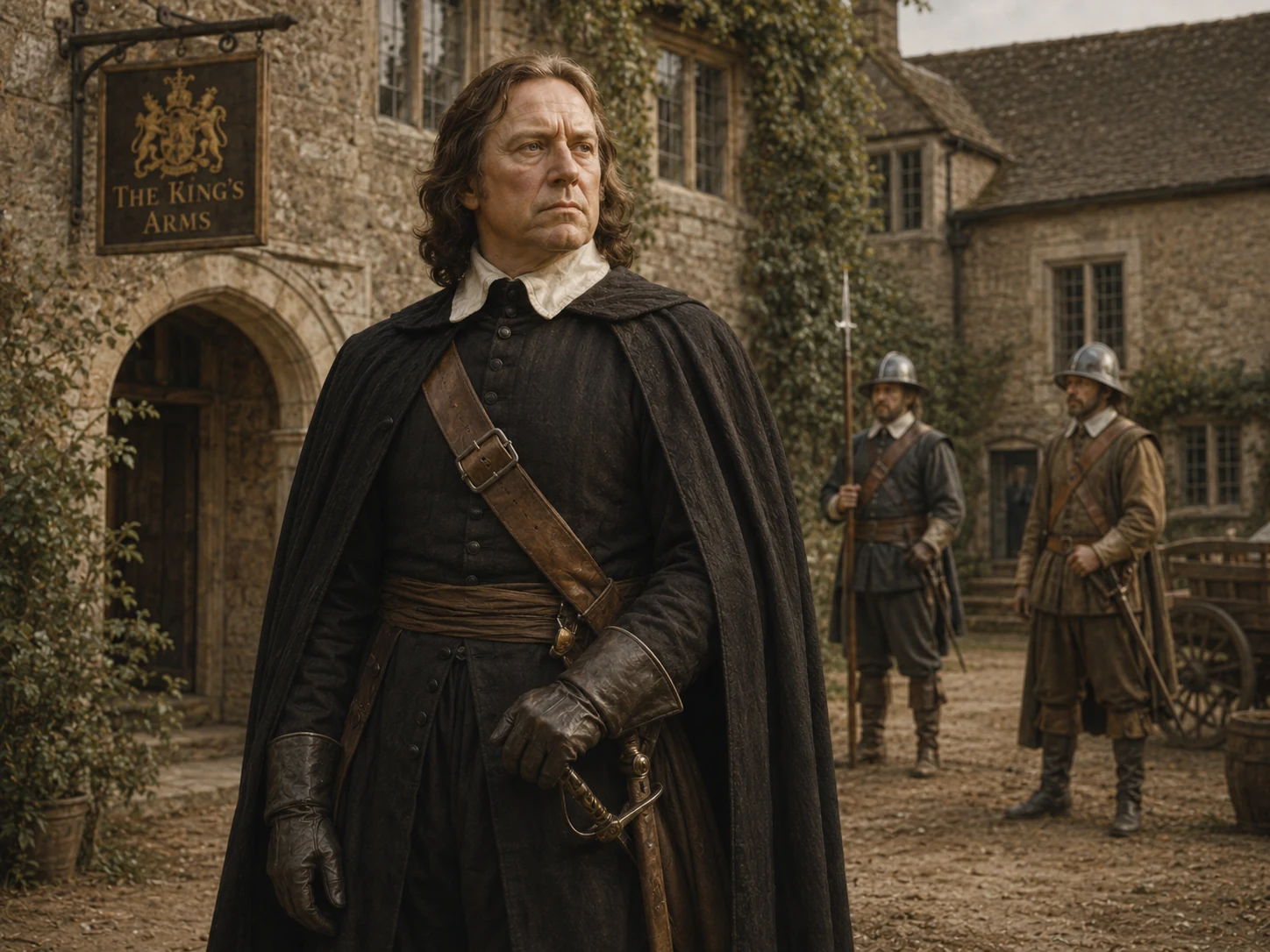
1640s folklore
Civil War associations
The White Hart is often linked with Oliver Cromwell during campaigning in Monmouthshire. It remains one of the building's most enduring local stories.
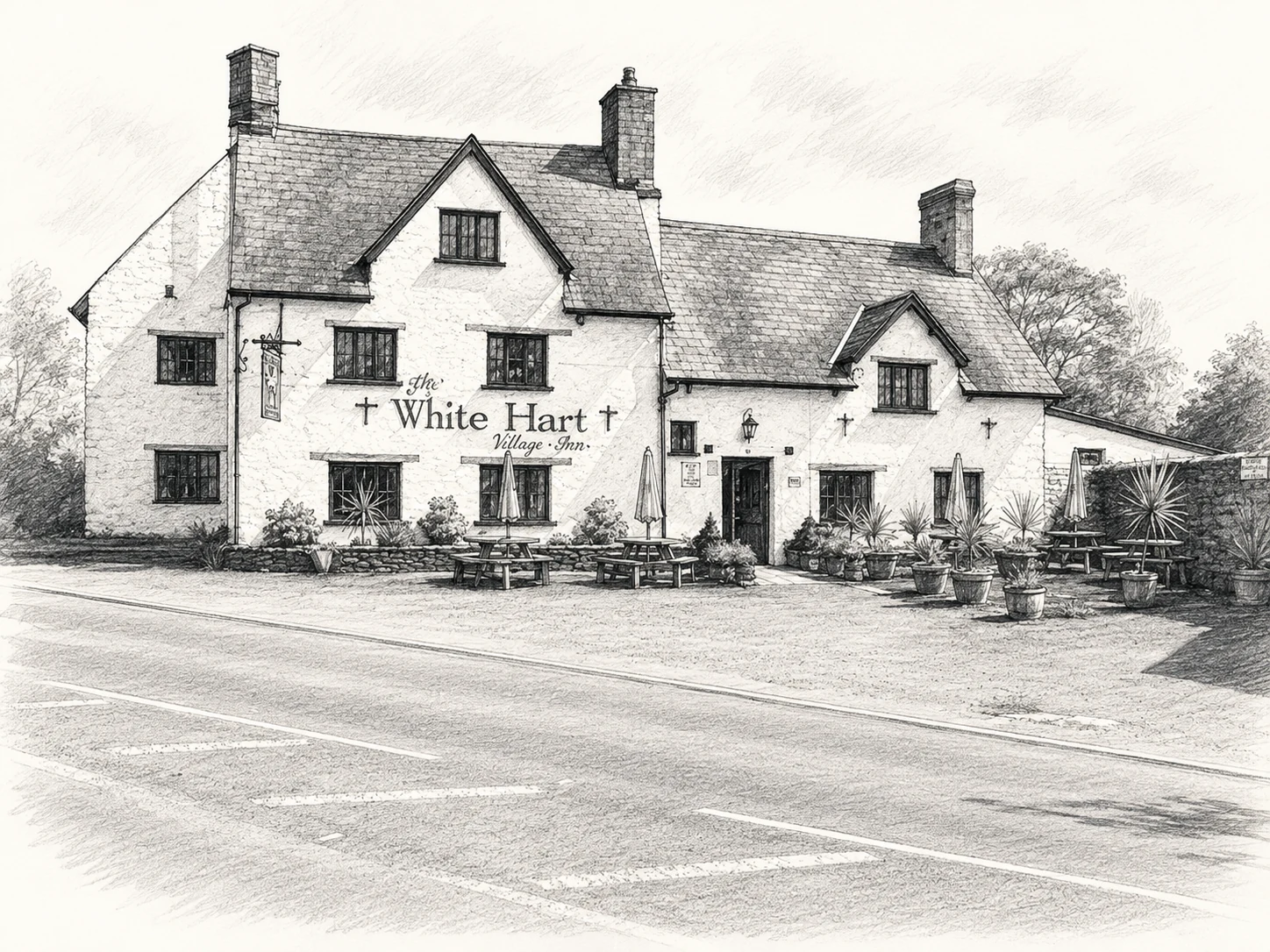
The White Hart · Llangybi
Four centuries of village life, architecture, folklore and literary intrigue beneath one slate roof.
Built into the village
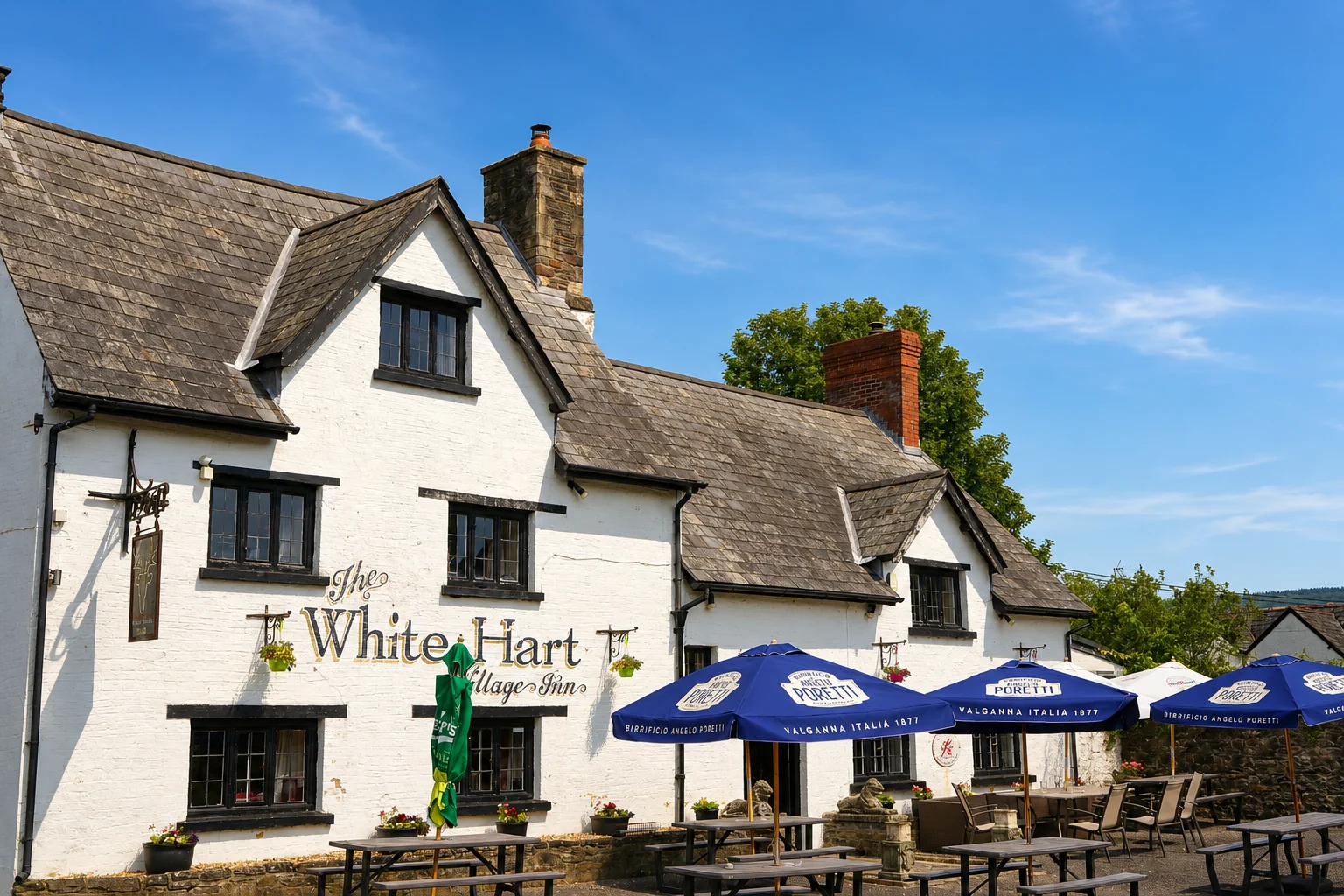
The White Hart stands conspicuously at the crossroads in Llangybi. The building we see today is generally dated to around 1600–1650 and was Grade II* listed in 1952, recognising it as a particularly important historic building.
Its whitewashed walls and Welsh slate roofs hide a complex interior. Historic descriptions note mullioned windows, early plasterwork, exposed beams and an exceptional collection of fireplaces. The building appears externally like two adjoining houses, although evidence inside suggests the sections were connected from very early in their history.
Legends & atmosphere
Some parts of The White Hart's story are recorded history, while others belong to local tradition. Together, they give the pub its sense of place.
1640s folklore
The White Hart is often linked with Oliver Cromwell during campaigning in Monmouthshire. It remains one of the building's most enduring local stories.
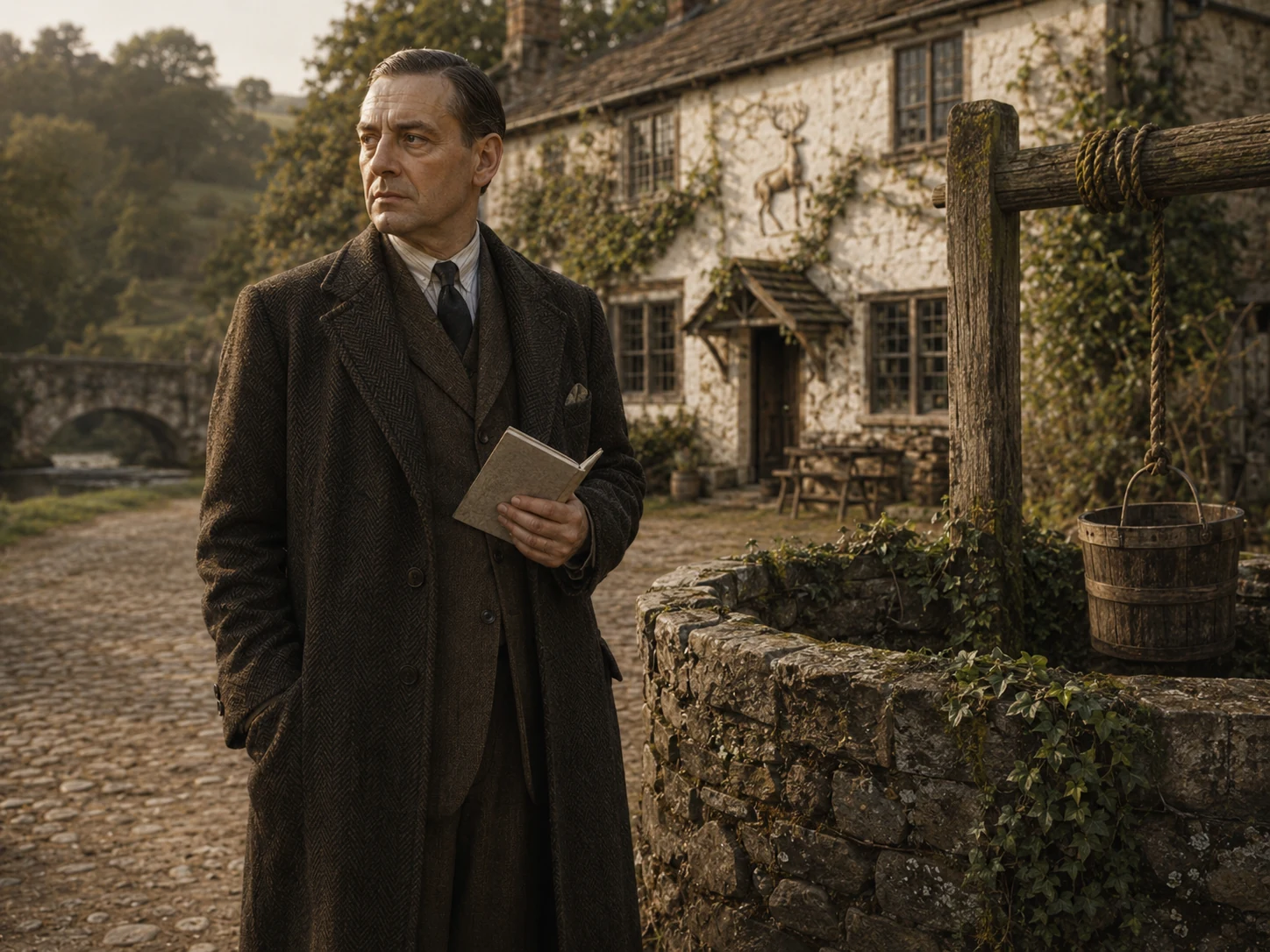
1930s literary link
Scholarship has connected Eliot's poem Usk with Llangybi, the village well and the image of the white hart — giving the inn a fascinating literary association.
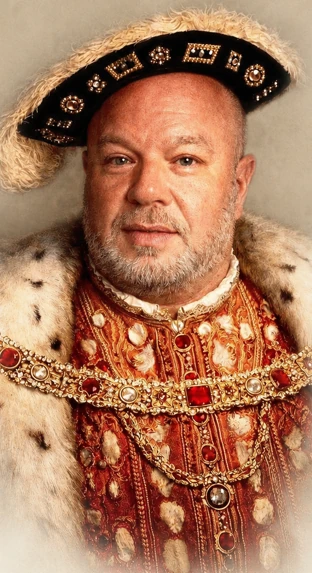
Tudor tradition
Local tradition has long connected The White Hart with Henry VIII and Jane Seymour. Here, the pub's owner steps into character as Henry VIII — a playful nod to one of the inn's best-known legends.
The story
This timeline separates architectural history, listed status and literary links from the traditions that have been passed down through generations.
Architectural evidence places the principal fabric of The White Hart in the early seventeenth century, with parts possibly a little earlier. Its L-shaped plan, whitewashed walls and slate roofs remain central to its character today.
Local tradition has long connected the property with Henry VIII and Jane Seymour. The story is one of the inn's best-known legends, though the surviving architectural evidence points to much of the present building being later than the Tudor court.
The White Hart is often said to have been used by Oliver Cromwell during campaigning in Monmouthshire. The association is deeply embedded in local storytelling, although major architectural sources treat it as tradition rather than a securely documented event.
The interior preserves a wealth of period detail, including exposed beams, Tudor-period plasterwork and eleven fireplaces. Visitors are also told of a priest's hole hidden within the building, another enduring part of White Hart folklore.
Scholarship has linked The White Hart to T. S. Eliot's poem Usk. Eliot travelled through the area in the 1930s, and the poem's image of a “white hart” near a “white well” has been interpreted as a reference to the inn and the village well.
The White Hart Public House was formally listed on 4 March 1952. Grade II* status is reserved for particularly important buildings of more than special interest.
For all its history, the building remains a working pub rather than a museum. The rooms, fires and uneven old fabric are part of the everyday experience: somewhere to eat, drink and gather in the centre of Llangybi.
See it for yourself
Ask the team about the old fireplaces, period features and the stories attached to the building when you visit.
Plan your visit